


About Cepheid
 

Xpert vanA/vanB

Xpert vanA/vanB

Screening for VRE in less than one hour

Effective prevention of healthcare-associated VRE infections begins with active surveillance programs that facilitate timely interventions to decrease the spread of VRE. Cepheid's Xpert®vanA/vanB delivers on-demand results in less than an hour, reducing the window for potential transmissions from days to minutes. Rapid intervention can prevent VRE transmissions - improving patient care and reducing costs for healthcare facilities.
CE-IVD
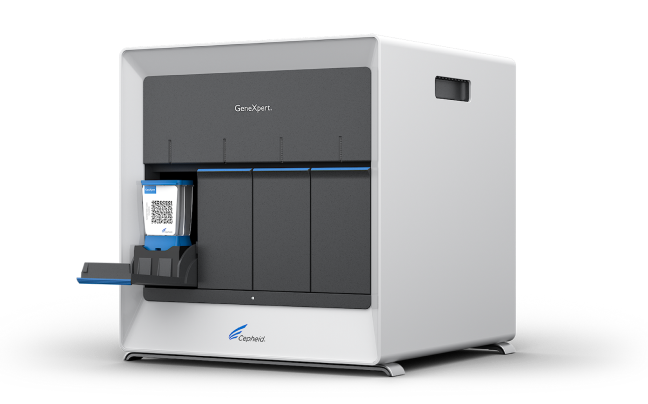
Runs On: GeneXpert® System
Xpert vanA/vanB Tab

VRE: A growing concern

The European Antimicrobial Resistance Surveillance System indicates that infection rates with vancomycin-resistant enterococci (VRE) are increasing, particularly in countries with high MRSA prevalence.

  • The proportion of invasive vancomycin resistant E. faecium isolates reached 37% in Greece, 33% in Ireland, 29% in Portugal, 21% in the UK and 15% in Germany
  • The percentage of invasive vancomycin resistant E. faecalis was found to be more than 6% in Greece and more than 2% in Portugal, Ireland and the UK

Recommendations:

CDC, SHEA and WHO have put forward the following guidelines on how to reduce VRE infections:

  • Comprehensive surveillance for targeted Multi-Drug Resistant Organisms; especially for those at high risk
  • Judicious use of antibiotics
  • Application of infection control precautions during patient care
  • Education and training of healthcare personnel
  • Environmental cleanliness
  • Decolonization therapy when appropriate

Important healthcare benefits of rapid screening:

  • Allows for an immediate identification of VRE carriers from non-carriers
  • Rapid implementation of barrier precautions
  • Early identification improves patient bed management